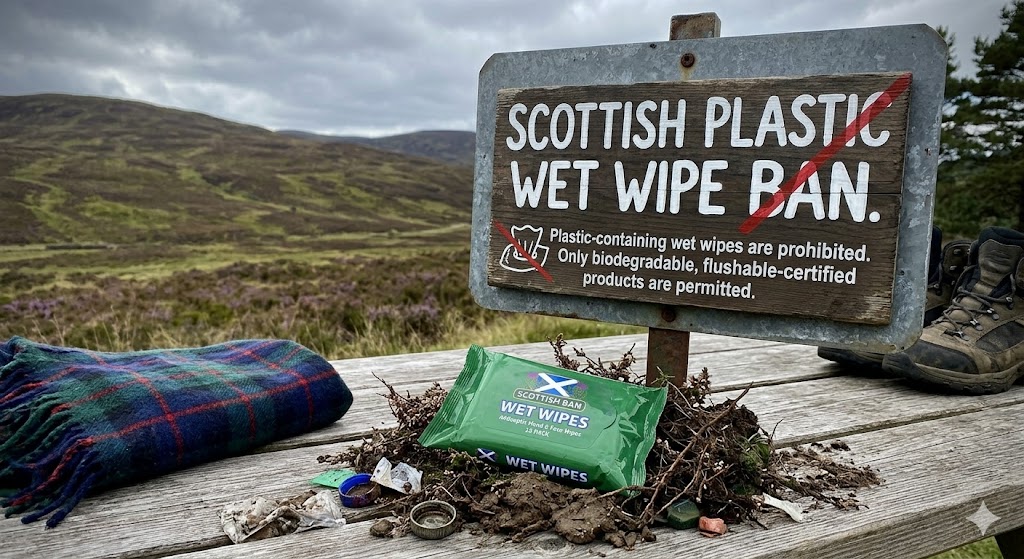
Scotland will ban the sale and supply of plastic-containing wet wipes from 11 August 2027 as part of wider UK environmental efforts. The government says these wipes contribute to marine litter and break down into harmful microplastics, while also causing thousands of sewer blockages each year. Exemptions will remain for medical, healthcare, and some industrial uses. The policy is part of Scotland’s broader campaign to reduce single-use plastics, following previous bans on items such as plastic straws, cutlery, cotton buds, and single-use vapes.
Wet Tissue And Wipe Market Size and Forecast 2025-2029
The global wet tissue and wipe market is projected to grow substantially through 2029, expanding by an estimated USD 10.78 billion at a CAGR of around 8.1 % between 2024 and 2029. Growth is driven primarily by rising concerns around personal hygiene and environmental pollution, which are increasing demand for wipes across personal care, household, and industrial applications. Europe is expected to contribute the largest share of global growth (about 34 %), while the personal care segment—including baby, facial, and body wipes—dominates the market. Manufacturers face challenges due to environmental issues tied to non-biodegradable wipes, prompting innovation toward eco-friendly, flushable, and biodegradable products. The market is highly fragmented with many established players focusing on product differentiation, sustainability, and expanded distribution channels to meet evolving consumer needs
The global wipes market is expected to grow steadily, reaching about USD 21.5 billion by 2031 with a CAGR of around 2.75%. Growth is driven by rising hygiene awareness, convenience, and demand for personal care products. Baby wipes dominate the market, while moist toilet wipes are growing fastest. North America holds the largest market share, and Asia-Pacific is the fastest-growing region, with sustainability pushing demand for biodegradable and eco-friendly wipes.
Ms. Coffey announced that the ban on plastic-based wipes is expected to be implemented next year after a consultation. This initiative is part of a broader strategy to enhance water quality in England, where no rivers or waterways are deemed clean.
However, opposition and environmental groups have criticized the plan as insufficient. According to Water UK, which represents the water industry, wet wipes flushed down toilets are responsible for 93% of sewer blockages, including so-called fatbergs, costing approximately £100 million annually to remove.
ANDRITZ – Last Updated 2024
The article discusses ANDRITZ’s efforts in developing sustainable technologies for producing bio-wipes, responding to increasing regulations against single-use plastics. Leveraging processes like Spunlace, Wetlace™, and innovative drylaid-wetlaid techniques, the company enables eco-friendly production using natural fibers such as bamboo, cotton, and wood pulp. These methods balance economy and ecology, offering biodegradable wipes that maintain high quality and affordability. The solutions align with industry demand for reducing environmental impact without compromising performance. For more details, visit ANDRITZ’s blog.